Unlock Your Tree's Complete Potential: Explore the Various Types of Tree Services for Every Need
Optimizing a tree's potential demands an understanding of various tree services. These services extend from routine maintenance, including pruning and fertilization, to emergency responses for storm damage. Each type plays a vital role in upholding the health and safety of trees. By exploring these options, one can guarantee their trees not only survive but thrive. Nevertheless, the question remains: what specific services are essential for optimal growth and longevity?
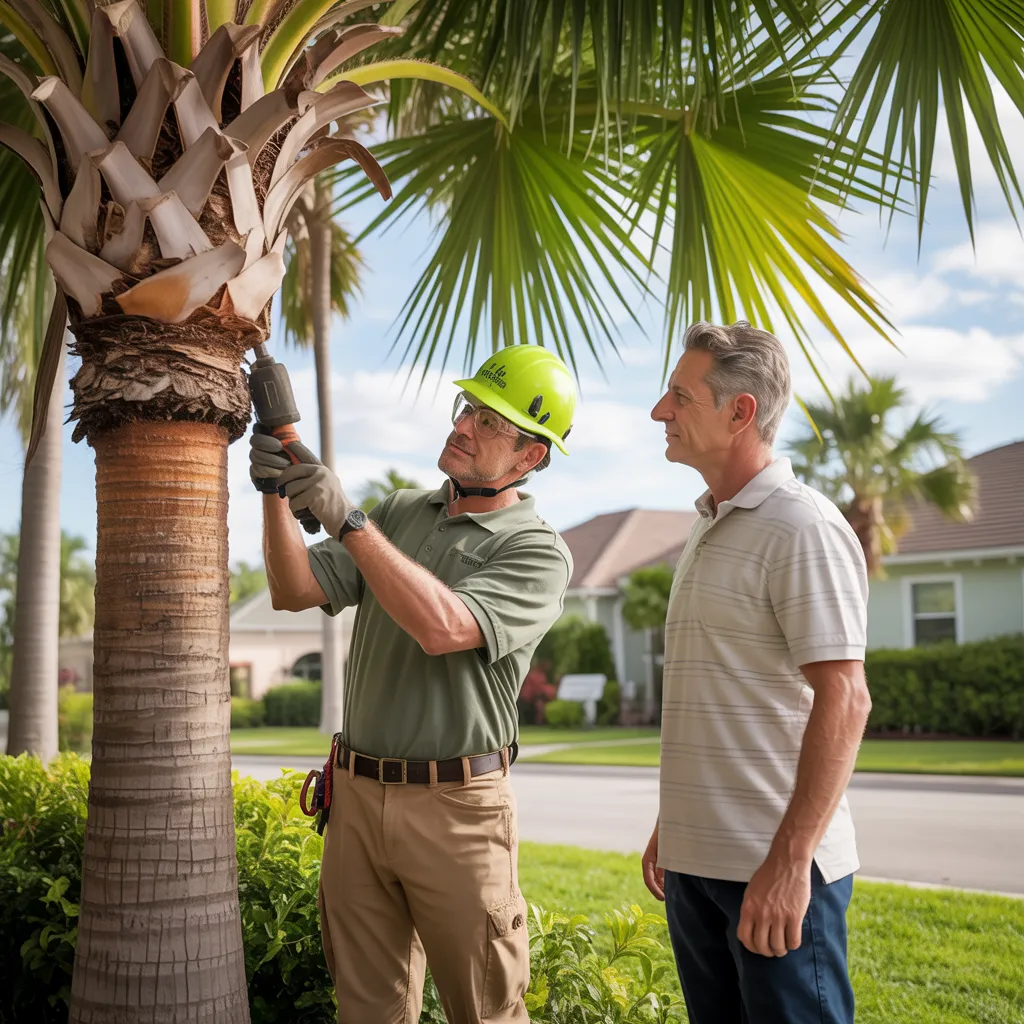
Scheduled Maintenance: Tree Pruning and Trimming for Healthier Trees
Despite many homeowners valuing the ornamental benefits of trees, they regularly ignore the criticality of scheduled maintenance, specifically pruning and trimming. Appropriate pruning both beautifies the tree's visual appeal and supports vigorous growth through the removal of deceased or infected branches. This practice helps maintain the tree's structure, guaranteeing it can withstand environmental pressures such as wind and storms.
Pruning, on the other hand, concentrates on forming the tree and promoting denser foliage. Regular trimming can avert overgrowth that could block walkways or power lines, thereby minimizing hazards. Additionally, both pruning and tree trimming support better air circulation and sunlight penetration, which are crucial for a tree's total health.
Homeowners need to arrange these maintenance tasks once or twice annually, based on the tree species and its growth rate. Utilizing professional tree services can guarantee that these tasks are carried out effectively and safely, eventually promoting the longevity and vitality of the trees in their landscape.
Removing Trees: When and How to Bid Farewell
Tree removal is required when signs of decline, such as dying branches or root rot, pose safety or health risks. Knowing safe removal techniques is crucial to avoid harming surrounding areas. Additionally, post-removal landscape care holds considerable importance in upholding the beauty and ecological harmony of the environment.
Indicators of Tree Decline
How might someone spot the early warning signs of tree decline? Spotting these symptoms is vital for timely intervention. A significant indicator is the presence of dead or dying branches, which may seem brittle or have no foliage. Moreover, a tree may demonstrate unusual leaf discoloration or premature leaf drop, suggesting stress. The trunk can display evidence of decay, such as cracks, holes, or fungal growth. Roots may also become exposed or damaged, compromising stability and nutrient uptake. Finally, an overall decline in growth or sparse canopy can imply that the tree is struggling. By noticing these warning signals, one can make informed decisions about the condition of the tree and consider appropriate actions for its future.
Safe Extraction Techniques
Removing a tree is often a challenging but essential decision, particularly when health and safety concerns arise. When approaching tree removal, utilizing safe methods is essential. Professionals often assess the tree's health and nearby area to determine the best removal method. Approaches like "felling" consist of cutting the tree at the trunk base, permitting it to descend in a controlled fashion. When dealing with tall trees or those near properties, "sectional dismantling" can be applied, in which the tree is cautiously divided into smaller pieces and safely lowered. Suitable equipment, including ropes and safety harnesses, is vital to secure crew safety and protection of surrounding property. In the end, contracting professional arborists confirms that the removal procedure is carried out with exactness and diligence.
Post-Removal Lawn Maintenance
Effectively eliminating a tree is only the beginning of a new chapter for your landscape. Post-removal, proper landscape care is critical to rejuvenate and upgrade the area. Analyzing the soil condition is essential; it may need aeration or amendments to encourage new growth. Filling the void with quality topsoil can produce a smooth surface while preventing erosion.
Landscaping choices, such as introducing new trees or shrubbery, can revitalize the space and enhance visual attractiveness. Additionally, the removal site should be inspected for any potential pest issues that may occur. Routine maintenance, including watering and mulching, will promote healthy growth in the freshly installed landscape. In the end, thoughtful post-removal care secures a thriving and balanced environment for years to come.
Tree Disease Diagnosis: Detecting and Addressing Tree Health Issues
Grasping tree diseases is essential for sustaining healthy landscapes. This section will explore common tree diseases, outline diagnostic techniques for detecting issues, and outline available treatment options. Correct diagnosis and timely intervention can greatly enhance the longevity and vigor of affected trees.
Widespread Tree Diseases
As trees mature, they may fall victim to numerous diseases that can threaten their vitality and lifespan. Prevalent tree ailments consist of powdery mildew, a fungal ailment that shows up as a white chalky material on leaf surfaces, and root rot, often caused by overwatering or poor drainage. An additional common problem is oak wilt, a severe condition impacting oak trees that results in wilting and ultimate death. Additionally, aphid infestations can weaken trees by sucking sap and transmitting diseases. Detecting these diseases is vital for proper treatment and care. Implementing proper care, including regular inspections and timely interventions, can help minimize the impact of these diseases, securing that trees maintain their health and vitality across their entire lifespan.
Diagnostic Procedures Overview
How do arborists successfully identify tree diseases? They utilize a combination of visual inspection and advanced diagnostic techniques. At the outset, an arborist inspects the tree's physical condition, searching for symptoms such as discolored leaves, wilting, or unusual growth patterns. This assessment often includes examining the soil and surrounding environment for potential stress factors.
For deeper examination, arborists may employ tools including soil tests or lab analysis of leaf samples to identify pathogens or nutrient deficiencies. Furthermore, technology for instance infrared imaging can reveal hidden issues within the tree structure. Understanding the specific tree species is essential, as various species demonstrate unique responses to diseases. By merging these methods, arborists can accurately diagnose tree ailments, allowing for informed management decisions.
Treatment Options Available
Upon diagnosing tree diseases through meticulous examination and sophisticated methods, arborists can move forward to identify appropriate treatment options. Treatments may include targeted pesticide applications to combat insect infestations or fungi, ensuring limited effects on the surrounding ecosystem. In cases of nutrient deficiencies, soil amendments or foliar sprays can restore health. Trimming damaged or infected branches is essential to prevent further spread of disease. Additionally, implementing appropriate watering techniques can support recovery. For serious instances, tree removal may be necessary to protect surrounding vegetation. Regular monitoring and maintenance further enhance the tree's resilience against future health issues. Each treatment plan is tailored to the particular requirements of the tree, emphasizing the importance of professional intervention in protecting tree health.
Fertilization: Nurturing Your Trees for Maximum Growth
Proper fertilization is fundamental in securing that trees receive the essential nutrients needed for strong growth and health. Trees, as with all life forms, rely on a balanced supply of macronutrients such as nitrogen, phosphorus, and potassium, together with trace elements like iron and magnesium. These nutrients support processes like photosynthesis, root development, and overall health.
Tree fertilization should be tailored to the specific species and properties of the environment, as various trees have specific nutritional requirements. Soil analysis can help identify nutrient deficiencies and inform appropriate fertilization strategies. Moreover, the timing of fertilization is essential; spring is frequently the best period as trees start their growing season.
Utilizing professional tree services can increase the efficiency of fertilization, ensuring proper application procedures and formulations. This strategic approach not only encourages optimal growth but also enhances the tree's resistance to diseases and environmental stressors.
Urgent Services: Handling Storm Damage and Hazards
Harsh weather incidents can cause considerable storm destruction, presenting risks to both property and safety. When trees collapse or get damaged due to high winds, heavy rain, or snow accumulation, immediate response is critical. Emergency tree experts concentrate on evaluating the damage and mitigating risks associated with fallen or compromised trees. These experts are prepared to manage different circumstances, from removing hazardous limbs threatening structures to complete tree removals that could obstruct roads or access paths.
In addition, emergency services commonly provide cleanup help, ensuring that debris does not pose extra risks. Their experience allows details for swift and safe resolutions, reducing damage to surrounding landscapes and properties. Clients facing storm-related emergencies gain greatly from prompt, professional intervention, ensuring a speedy return to normalcy. By addressing hazards effectively, tree service professionals play an important role in maintaining safety and protecting property during and after severe weather incidents.
Advisory Services: Expert Advice for Arboricultural Planning
Tree care planning consulting services offer invaluable expertise, guiding property owners in maintaining the health and longevity of their trees. These professionals assess tree conditions, recognizing issues like pests, diseases, and structural weaknesses. By conducting thorough evaluations, they offer tailored recommendations that match particular landscapes and individual tree species.
Additionally, tree care consulting instruct property owners on proper planting techniques, pruning schedules, and soil management practices. This knowledge enables clients to make educated decisions, making certain their trees prosper in varied environments.
Additionally, professionals typically design long-term management plans, which include systematic monitoring and maintenance strategies. These proactive actions help prevent potential hazards and improve the aesthetic appearance of properties.
Finally, expert consulting services represent a crucial resource for individuals aiming to cultivate a healthy and sustainable tree population, supporting overall ecosystem health and improving the beauty of outdoor spaces.
FAQ
At What Intervals Should I Schedule Tree Maintenance Services?
It's advisable to schedule tree maintenance services yearly, with further inspections conducted after storms or significant weather events. Consistent inspections help maintain healthy, safe, and visually appealing trees while preventing potential hazards and costly damages.
What's the Optimal Season for Pruning Trees?
The ideal season for tree pruning is late winter through early spring, immediately before new growth emerges. This timing decreases stress on the tree and facilitates ideal healing, supporting healthier growth during the next growing season.
Do Tree Services Aid in Landscaping Design?
Indeed, tree care specialists can aid in landscaping planning by examining present vegetation, proposing fitting tree types, and designing arrangements that boost aesthetic value while maintaining healthy expansion and compatibility with the complete landscape setting.
Are Tree Services Insured and Licensed?
Yes, trustworthy tree care providers are commonly both licensed and insured. This assures that they comply with local codes and shield both the business and clients from potential liabilities, guaranteeing a safe and professional approach to tree care.
How Do I Select the Right Tree Service Provider?
To select the right tree service provider, homeowners should verify credentials, verify insurance and licenses, examine customer reviews, solicit quotes, and review experience. Obtaining multiple opinions can help ensure informed decision-making for tree care needs.